
Need a Garage Floor Coating in North York?
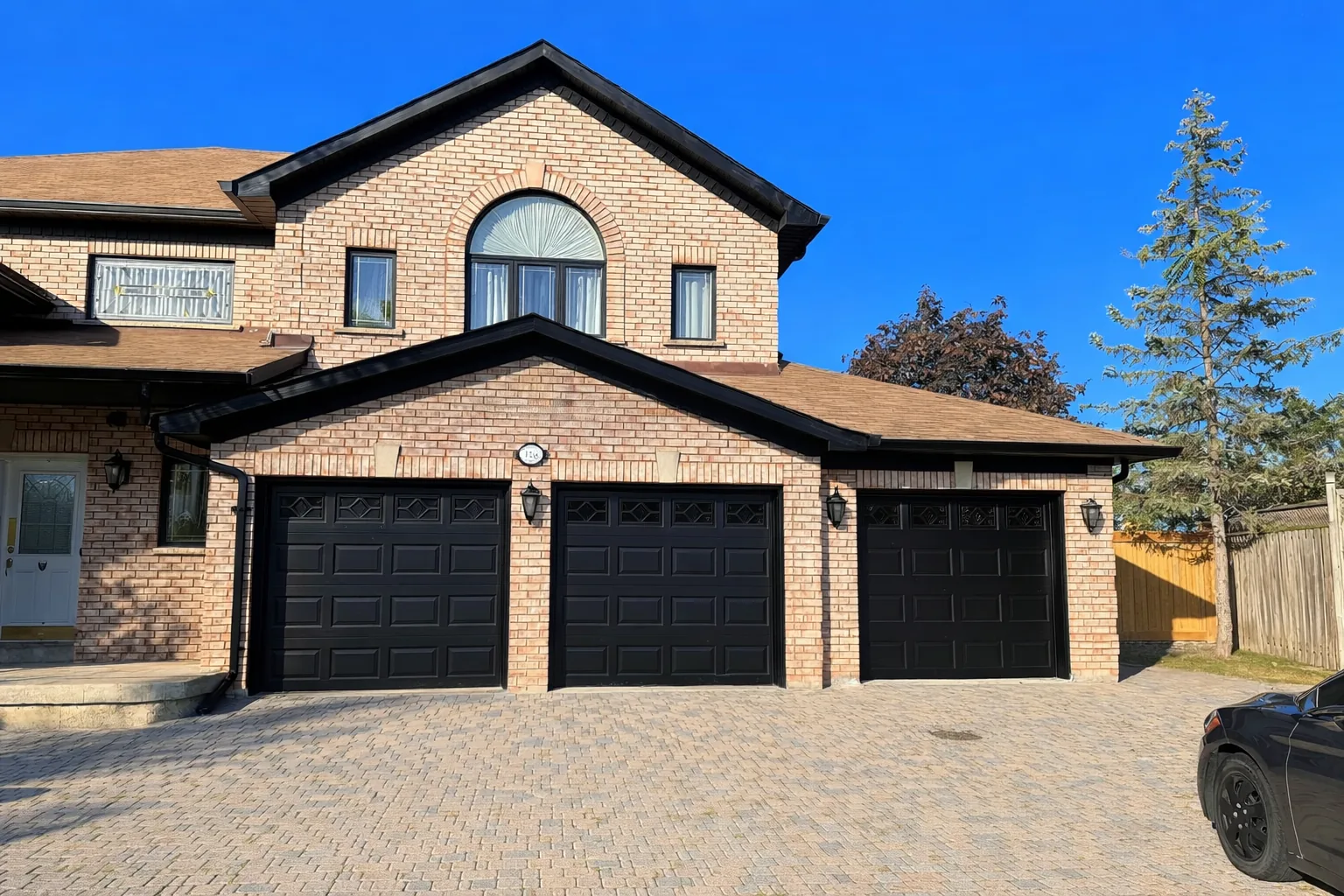
North York garages are mostly the same age as the houses in front of them. Don Mills was laid out between 1952 and 1965, and Parkwoods, Henry Farm and Bathurst Manor went up around the same stretch of years. Sixty or seventy winters later, those slabs are grey, dusty, stained under where the car parks, and cracked along the line where the floor meets the wall.
Salt is the reason. Ontario puts down three to five million tonnes of road salt a year, and the City of Toronto says outright that salt damages infrastructure. Your tires carry a slush of it into the garage every time it snows, it melts into a puddle under the car, and it soaks into open concrete. A coated floor gives that brine nowhere to go. An uncoated one drinks it.
What a Garage Floor Coating Actually Takes
A garage floor coating is not paint and it does not go on like paint. Nearly all of the work, and nearly all of the reason it lasts, happens before the first coat.
It starts with the concrete itself. Coating manufacturers do not ask for a clean slab, they ask for a profiled one. Sherwin-Williams specifies a concrete surface profile in the CSP 1 to 3 range for its ArmorSeal 8100 epoxy, and the polyaspartic data sheet asks for CSP 3. That profile comes from mechanically grinding or acid etching the slab so the coating has something to key into. A rented roller and a jug of degreaser cannot produce it, which is why hardware-store garage kits fail in a season and take your Saturday with them.
The slab also has to be sound and dry. The data sheet wants it clean, dry and in sound condition, with all oil, dust, grease and dirt removed, and it specifically says not to clean with hydrocarbon solvents. Cracks and the joint at the wall get filled before anything is coated, because a coating spanning an open crack just splits along the same line. And a slab on grade needs a vapour barrier underneath it, which the polyaspartic data sheet states outright and which nobody can add after the concrete is poured. If your floor is pushing moisture up from below, we tell you before we quote a coating rather than after it peels.
Then the build, and the numbers here are the ones worth having in writing. The water-based epoxy goes on in two coats at 2.0 to 4.0 mils dry film each. It needs 10C to 38C for the air, the surface and the material, and at least 2.8C above the dew point, so an unheated North York garage in February is out. At 25C it is touch dry in 45 minutes, ready for foot traffic in 18 hours, ready for heavy traffic in 48 hours, and fully cured in 7 days. The recoat window is a real window, minimum 6 hours and maximum 72, and past 72 hours the surface has to be abraded before the next coat goes on. That is why we do not leave a floor half done over a long weekend.
Polyaspartic is the faster chemistry and it is a different animal to work with. It cures low, from 1.7C, which matters in a cold garage. It takes foot traffic in about 6 hours and wheeled traffic in 24. But the pot life is 20 to 25 minutes and the working time is 15, so it is mixed in small batches and installed by a crew that is already organised, not figured out on the fly. Its own data sheet says exactly that. Used as a topcoat over an epoxy base, you get the epoxy's grip on the concrete and the polyaspartic's hardness and gloss on top.
Garage floors are usually part of a bigger job around the house. For everything else we do, start at our North York painting company page, or see how we work in Don Mills and over in Henry Farm.

The Floor Coating Work We Do in North York
Two-part epoxy floor coating
The workhorse. A two-component water-based epoxy, built in two coats, tinted to the colour you pick. The version we specify is breathable, resists disbondment from moisture vapour coming up through the slab, and holds its colour rather than yellowing. It is rated for garages and residential floors by the manufacturer, not adapted from something else, and it passes the hot tire pick-up test at 60C.
Polyaspartic topcoat and fast-return floors
Where you need the car back sooner, or the garage is cold. Polyaspartic cures from as low as 1.7C, takes foot traffic in around six hours and wheeled traffic in twenty-four, and it goes on high gloss with roller lines that fade out as it levels. The catch is a fifteen-minute working time, so it gets mixed in small batches and moved fast. Over an epoxy base it gives you the best of both.
Concrete grinding and profiling
The step that gets skipped and the step the whole job depends on. We grind or etch the slab to the concrete surface profile the coating calls for, which for these systems is the CSP 1 to 3 range. That also takes off old failing coatings, sealer, curing compound and the smooth troweled skin on a newer slab, all of which a coating cannot bond through.
Crack, spall and joint repair
Cracks get opened, cleaned and filled, and the joint where the floor meets the wall gets dealt with before any coating goes down. Spalled and popped areas at the door line, the ones the snowplough windrow and the salt created, get patched back to level. Coating over an open crack does not bridge it. It just shows you where the crack is, in a new colour.
Basement, workshop and laundry floors
The same systems work on a basement slab, a workshop floor or a laundry room, and inside the house the temperature problem goes away. This is a good option in an older North York basement where the floor has never been anything but bare grey concrete that makes dust every time you sweep it.
Damp and problem slabs
Not every floor should be coated, and we would rather say so than take the job twice. A slab on grade without a vapour barrier under it can push moisture up into a coating, and the data sheets are clear that the barrier belongs under the concrete. If yours is visibly damp, efflorescing white powder or sitting below grade with a water history, we walk you through the honest options before quoting.
Why choose us
Why North York Homeowners Choose Us for Floor Coatings
The prep is the product
We profile the slab to the range the coating manufacturer specifies rather than washing it and hoping. That is the single difference between a floor that lasts and a floor that lifts in sheets the first time you back a hot tire onto it. If we cannot get the profile, we do not quote the coating.
Built for salt, because this is Toronto
Ontario spreads three to five million tonnes of road salt a year and your tires bring it home. A sealed floor keeps that brine out of the concrete instead of letting it soak in and work on the slab from inside. The epoxy we use also passes hot tire pick-up testing at 60C, which is the failure people actually see.
Real return-to-service times, up front
You get told when you can walk on it and when you can park on it, from the manufacturer's own data, not from a guess. Around 18 hours to foot traffic and 48 to heavy traffic on the epoxy, roughly 6 and 24 on the polyaspartic. Then you plan your week around a number instead of a shrug.
Fifteen years on the tools, backed for three
Our crews average fifteen years on the tools, we are rated 5.0 across 70 Google reviews, and we are fully insured and licensed in Ontario. Floor work carries the same three-year workmanship warranty as the rest of what we do. If it fails in that window, we come back and sort it out.
Nine Things Worth Knowing Before You Coat a Garage Floor
- Grinding is not optional. Coating systems specify a concrete surface profile, not a clean floor. If nobody is profiling your slab, you are buying a coating that has nothing to hold on to.
- Fix the cracks first. A coating does not bridge an open crack, it just repaints it. Cracks, the wall joint and spalled areas at the door line all get filled before the first coat.
- Check for damp before you spend anything. A slab on grade wants a vapour barrier underneath, and that cannot be added later. Moisture coming up from below will lift a coating no matter how well it went on.
- Watch the recoat window. The epoxy has a minimum of 6 hours and a maximum of 72 between coats. Miss the top of that window and the surface has to be abraded before the next coat.
- Cold garages are a real limit. The water-based epoxy needs 10C or better for the air, the surface and the material. Polyaspartic cures from 1.7C, which is why it wins in a cold garage.
- Hot tire pickup is the failure you will actually see. A hot tire cooling on a poorly bonded coating pulls it off in patches. The product should be tested for it, and the prep should earn it.
- Wait to park on it. Foot traffic at roughly 18 hours and heavy traffic at 48 on the epoxy. Rolling a car on early is the most common way homeowners wreck their own new floor.
- Put mats under the tires. Even a resistant coating is not a guarantee against tire staining, and the polyaspartic data sheet says so outright. A cheap rubber mat under each tire solves it.
- Polyaspartic is a fast material. Fifteen minutes of working time and a twenty to twenty-five minute pot life. It gets mixed in small batches by an organised crew, which is not a DIY afternoon.
FAQ
Garage Floor Coating Questions, Answered
Epoxy or polyaspartic, which should I get?
Epoxy bonds well into properly profiled concrete and is the usual base. Polyaspartic cures faster and much colder, takes foot traffic in about six hours, and goes on high gloss. Used together, epoxy underneath and polyaspartic on top, you get both.
How long before I can park my car on it?
On the epoxy, roughly 18 hours to walk on and 48 hours before heavy traffic, with full cure at 7 days. On the polyaspartic, about 6 hours to foot traffic and 24 to wheeled traffic. Those are the manufacturer's numbers and we hold to them.
Why can I not just buy a kit and roll it on myself?
Because the kit cannot profile your concrete. The coating specifies a mechanical surface profile that comes from grinding or etching. Without it, the coating sits on the slab rather than keying into it, and a hot tire takes it off.
Can you do it in winter?
In an unheated garage, usually not with the water-based epoxy, which needs 10C or better for air, surface and material. Polyaspartic cures from 1.7C, so a cold-weather floor is possible. Basements and heated garages we do all year.
My floor has cracks and a chunk missing by the door. Is it too far gone?
Almost certainly not. Cracks get opened and filled, and spalled areas near the door line get patched back to level before any coating. If the slab is structurally failing we will tell you, because a coating is not a repair for that.
Will it stop the salt damage?
It keeps brine off the concrete, which is the point. Uncoated concrete absorbs salt water and works on itself from the inside every freeze and thaw. A sealed floor gives the salt nowhere to soak in and lets you mop it out.
Will my tires stain it?
They can. No coating is a guarantee against tire staining and the data sheet says so plainly, because tire compounds vary a lot. Rubber mats or carpet pieces under the tires solve it for a few dollars.
Can you coat my basement floor too?
Yes, and it is often the easier job because the temperature is stable. Same systems, same prep. It is a good fix for an older North York basement with bare grey concrete that dusts every time you sweep.
How do I get a price?
Call or send the form and we book a free estimate. We look at the slab, check its condition, and put the number in writing before anything starts.